Patch 3.4 | Your Story Picks the Fight
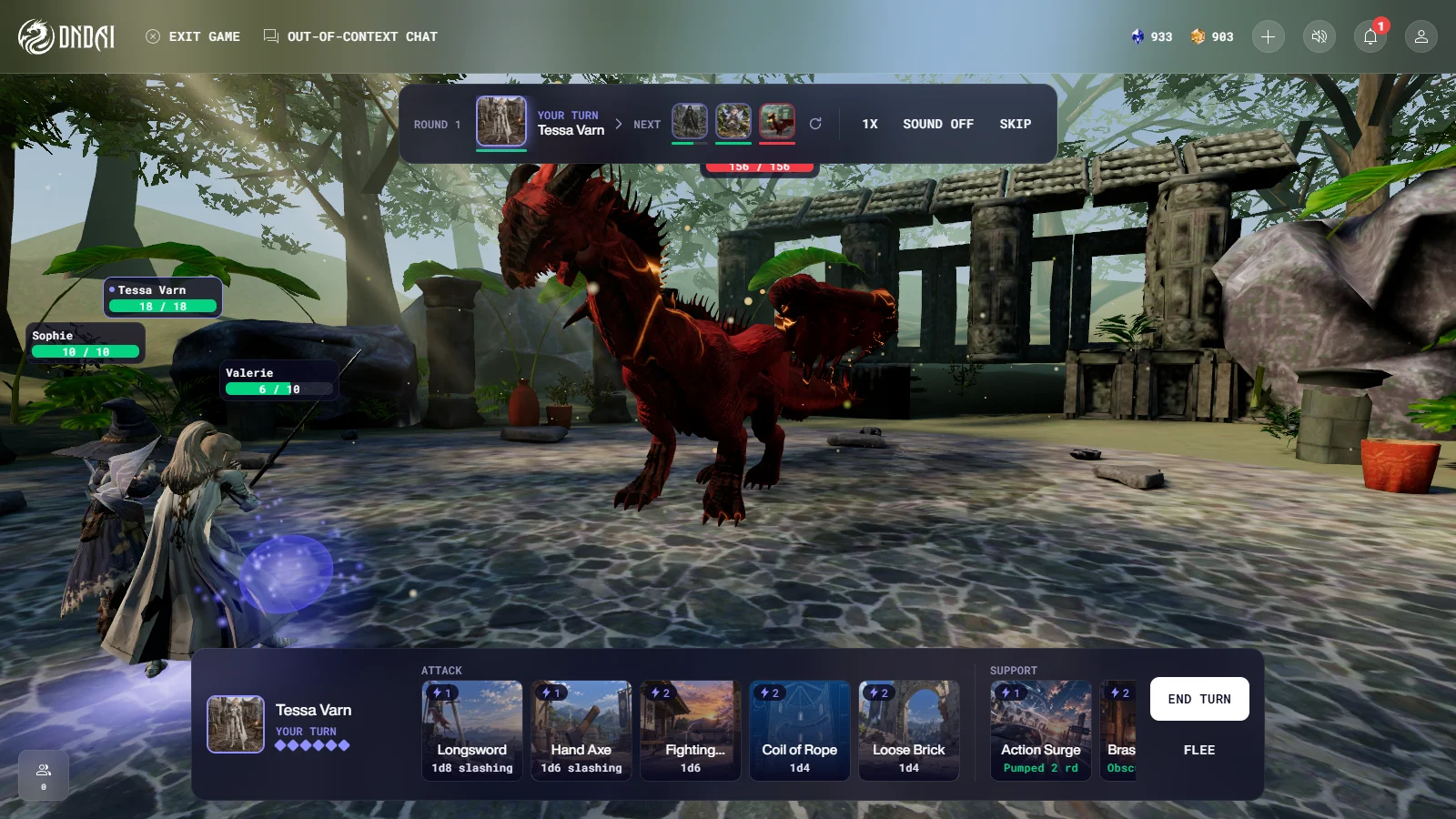
DNDAI is a role-playing game you play by telling a story. You say what your hero does, and an AI Game Master answers with what happens next. Patch 3.4 is about one promise: everything in the game now belongs to that story.
You do not start a fight from a menu. You play, and when your story comes to blows, the game reads the scene you are in: who is there, how many, where you stand and how dangerous it is. That is the fight you get. The sword the story handed you is the sword in your hero's hand, and when the last blow has fallen the story goes on from there.
You asked, we listened
What you told us, and what we did about it
- “The 3D side feels like its own thing.” It did. Now a fight comes out of the scene you are playing, and hands the story back everything that happened in it
- “What happens in the story does not show on my hero.” Every item, spell, companion and coin the story gives you now lands on your character sheet
- “My armour and shield do nothing.” They now protect you, by the rules of the fifth edition
Your story picks the fight
Play as you always do. The fight comes out of the scene
Say the Game Master told you, three turns ago, that two goblins and their captain guard the gate. You talk, you bluff, it goes wrong, and you write “Enough. I draw my sword.” You never named an enemy. The game knows who is standing there: two goblins and their captain, at that gate, as dangerous as the story made them.
- It reads your story, not a list. Who is present and hostile, how many of them, what they look like and where you are all come from the scenes you have played
- It starts when your story does. Attack someone, or fail a risky roll in front of the wrong people, and the Game Master asks whether you want to fight it out
- It ends back in your story. Who fell, who ran, how hurt you are and the experience you earned: the next scene starts from exactly that
- Your hero fights as themselves. If your character has a 3D model, that is who steps into the fight, holding the weapon from their sheet, with their companions beside them
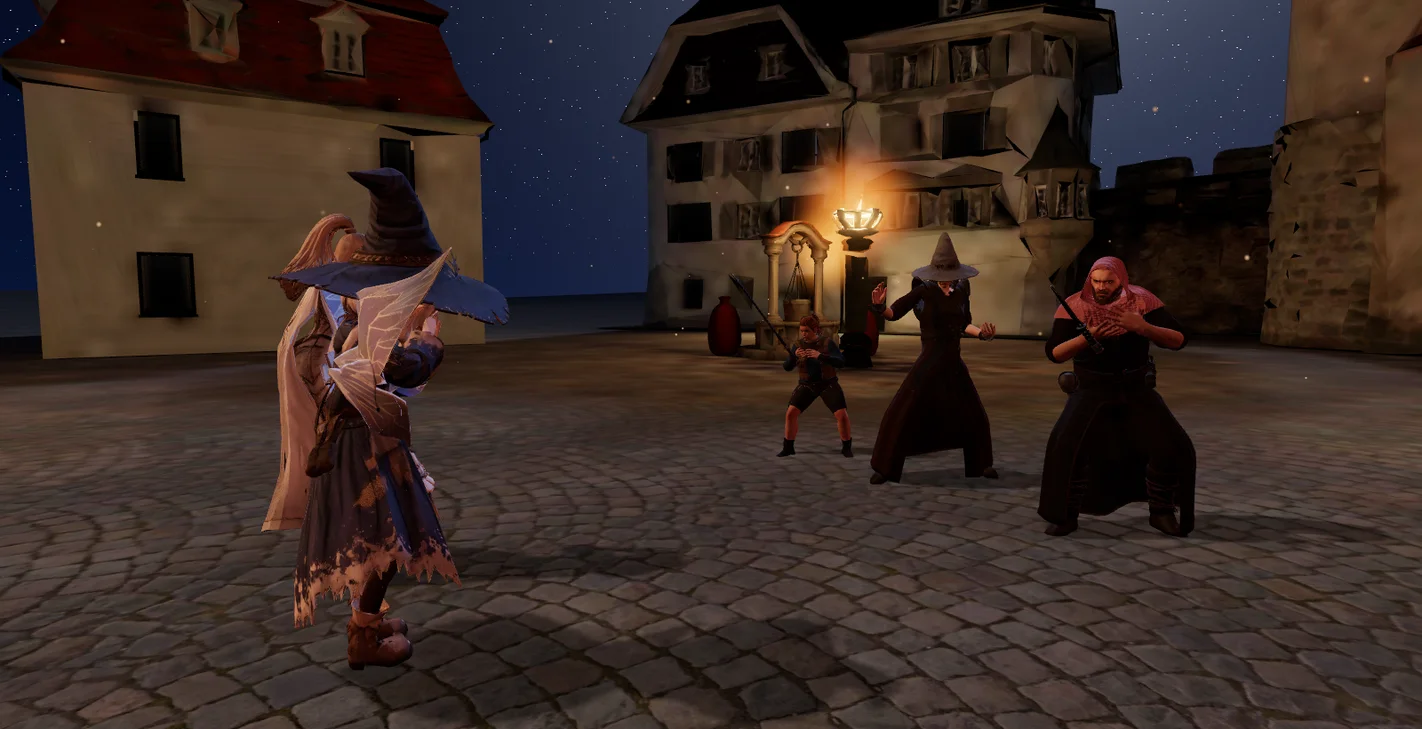
- The place and the music fit the scene: a crypt, a forest at dusk, a snowbound mountain pass, a field of lava, temple ruins or a town square at night, each with its own score that tightens when the fight is on a knife's edge
- Running is a choice. Break off, and the story continues from your retreat
A fight costs one Mythic gem, the same as a turn, and one that fails to start gives it back. Multiplayer games keep the card fight for now, and so do older devices that cannot show the new one.
Whatever your story holds, you can fight
No fixed list of monsters. The story names them
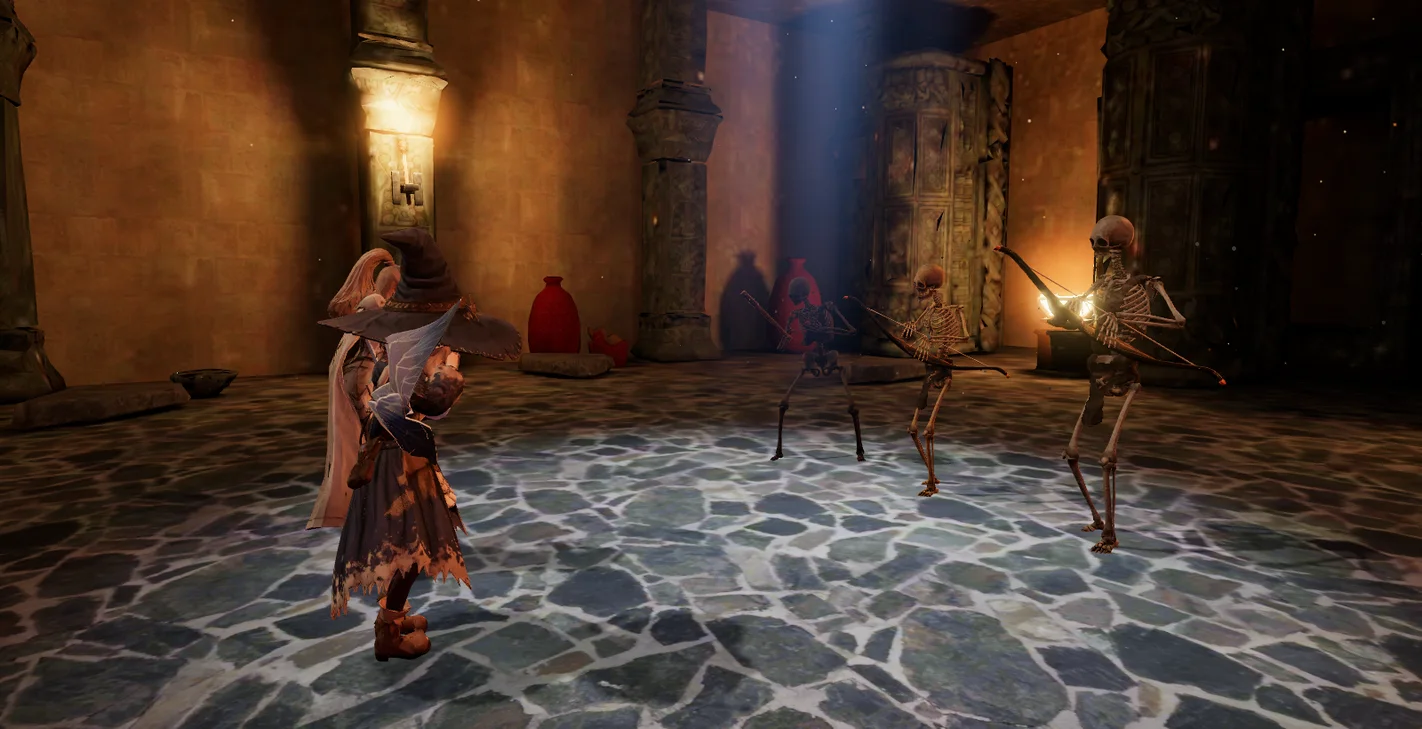
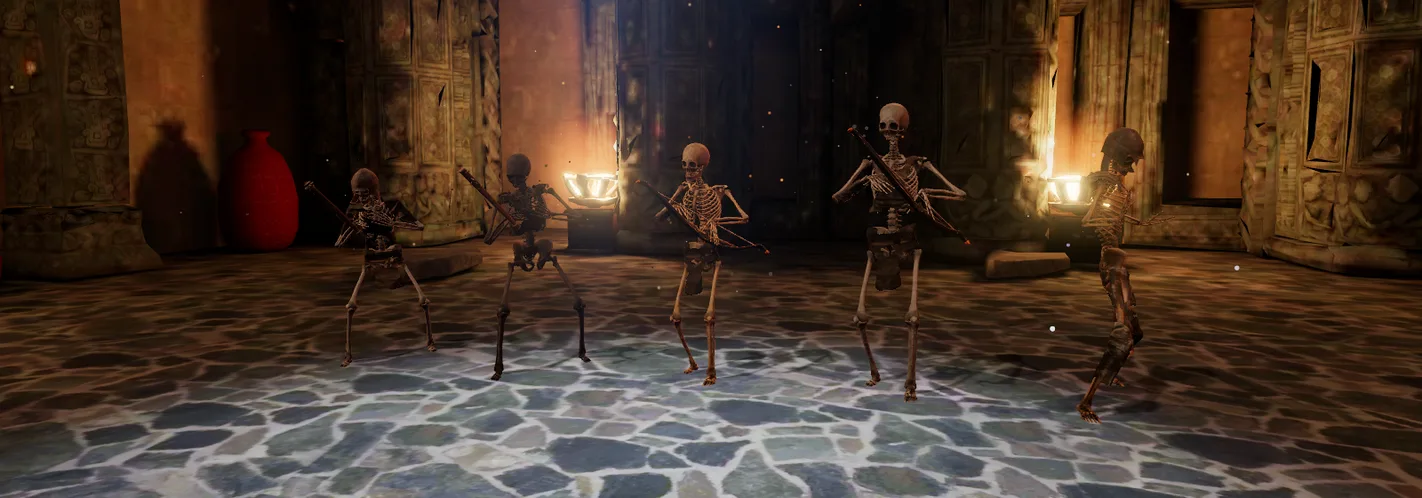
If your story says three skeletons climbed out of their graves, three skeletons stand in front of you: one missing its jaw, one with an arm gone at the elbow, one in a rusted helmet. If it says a dragon landed on the tower, you face a dragon. Up to five enemies at once, and no two fights line up the same faces.
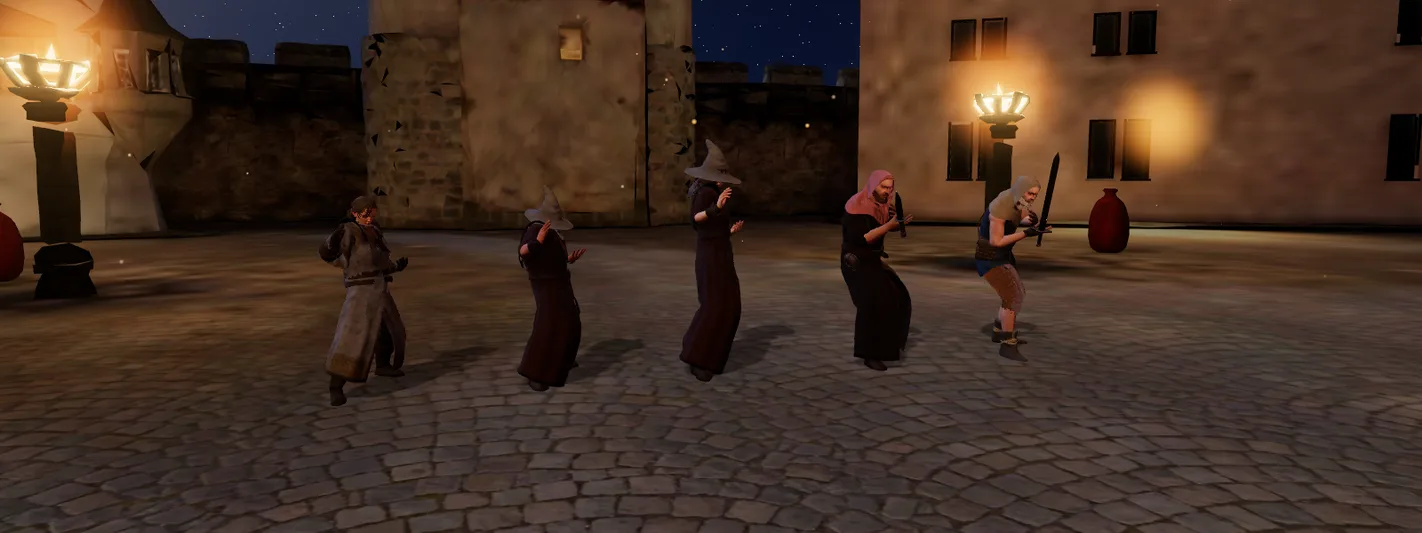
- People look like who they are: bandits, guards, hooded cultists, witches and wizards in robes and pointed hats, priests, barmaids and villagers
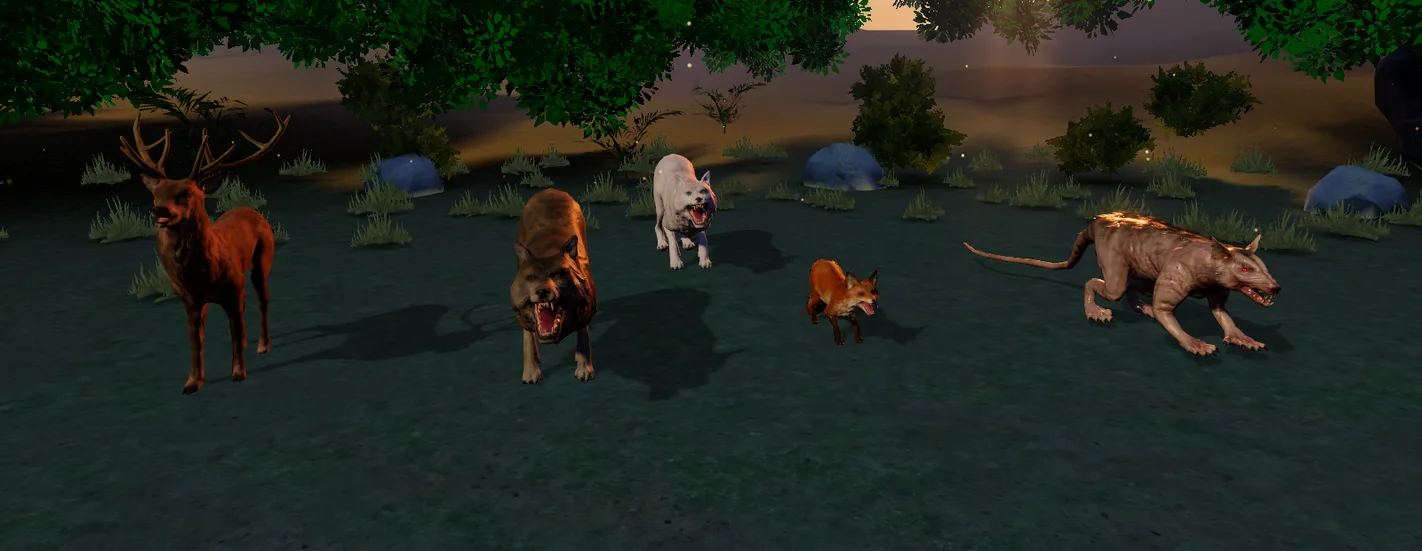
- Beasts: wolves, foxes, giant rats, stags, horses, tigers, spiders and scorpions, and swarms of rats, bats or ravens that move as one cloud
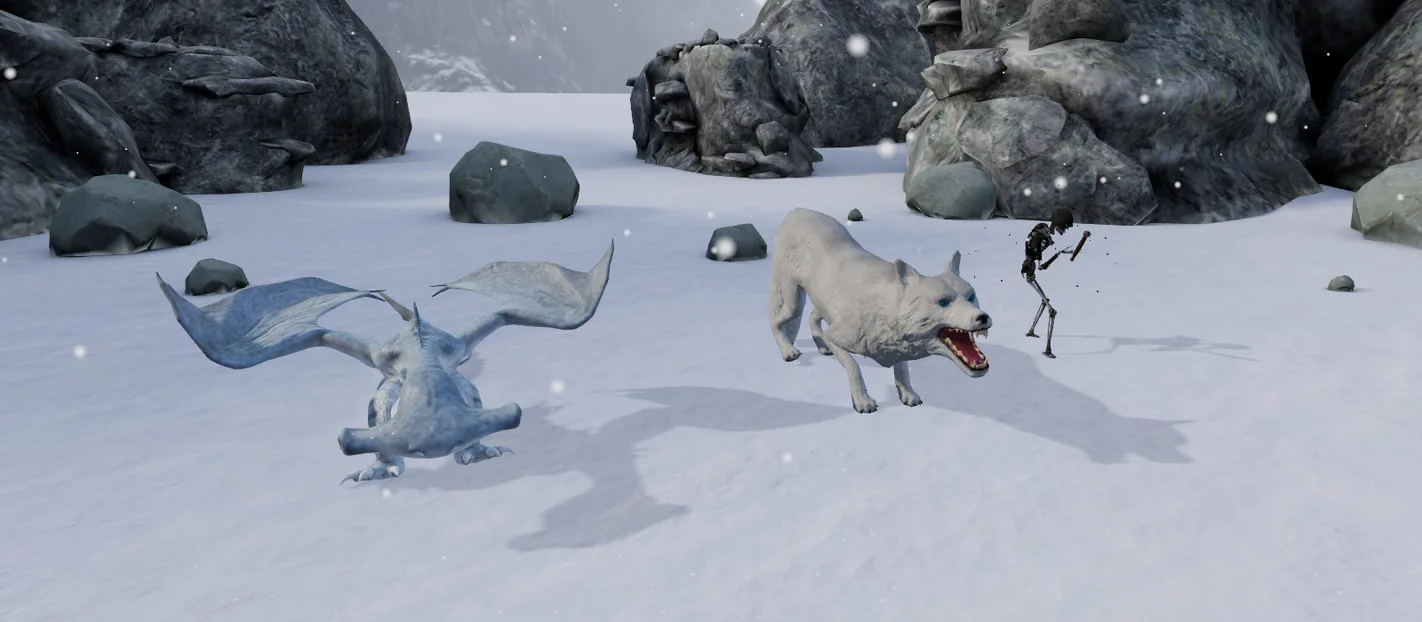
- The dead rise as skeletons, and as zombies in what they wore when they died
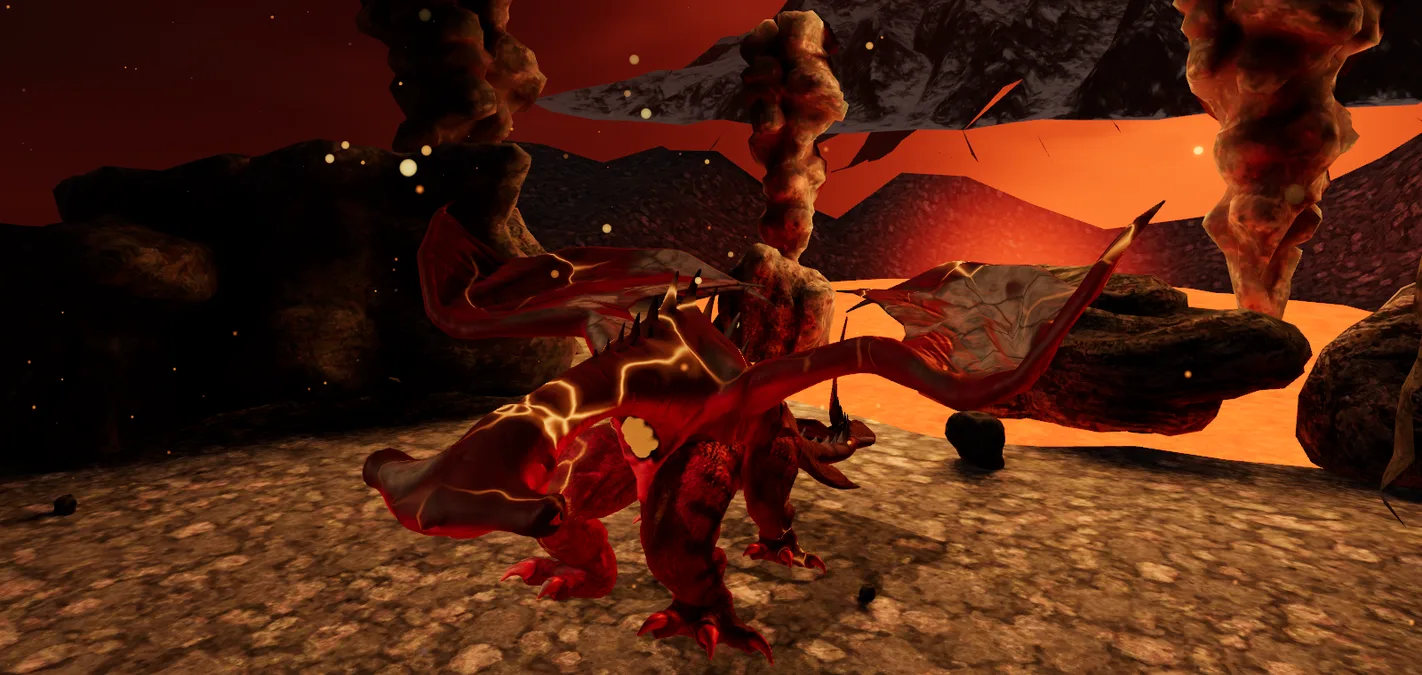
- Dragons and drakes, young or ancient, from red and black to gold and silver
- Stranger things: fire given a body, plants with a maw, angels with wings
- The story decides the look. If the wolf was ashen and scarred, or the skeleton charred, that is what stands in front of you
One sentence in, one of a kind out
Each picture below is straight from the game, with the line of story behind it. The same line gives the same kind of creature again, but never the same one twice.
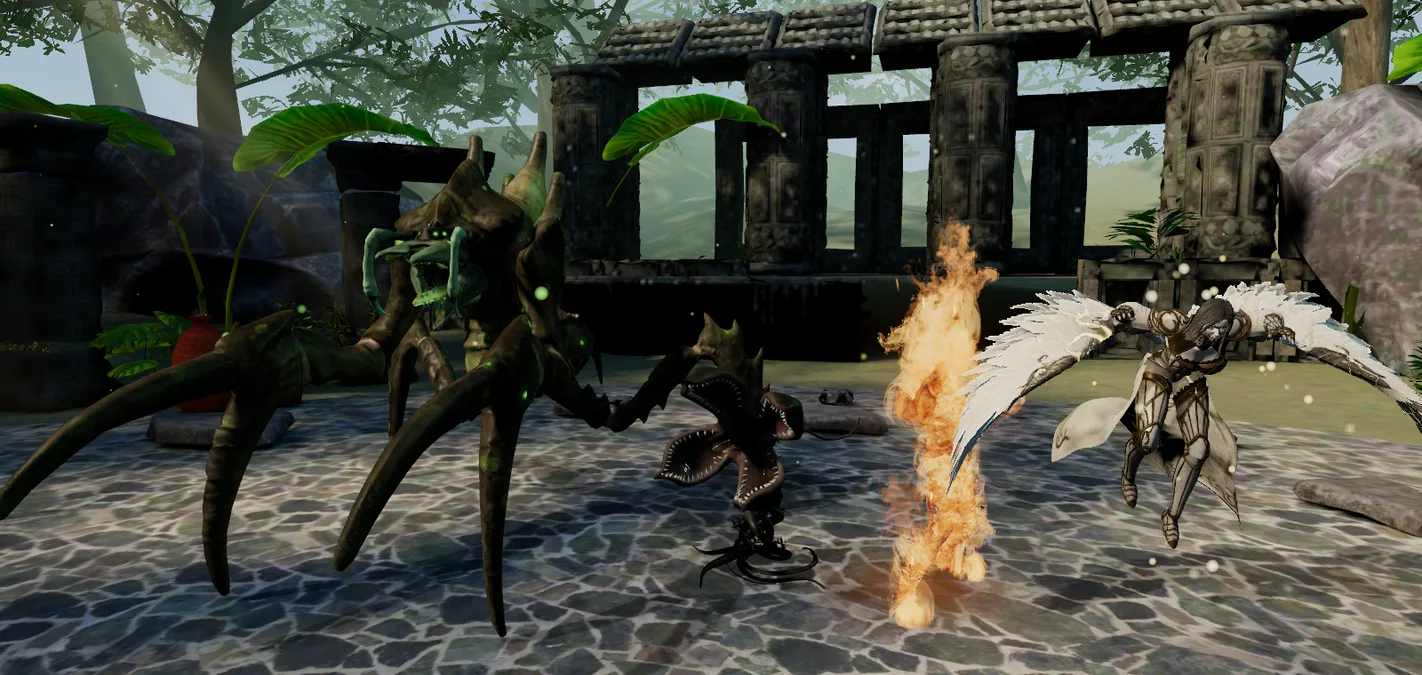
You fight with what your hero really has
Turn-based, easy to read, and fair
Each turn you have action points to spend. Your actions are what is on your sheet: the weapon in your hand, every spell and ability you know and the gear in your slots. A longsword costs one point. A heavier spell costs two or three and needs a round or two before you can use it again.
- Every action says what it does before you choose it: 1d8 slashing, Heal 1d10, Obscured for 4 rounds
- Conditions turn a fight. Burn, Freeze, Poison and Bleed wear an enemy down. Frightened and Curse blunt its blows. Blessed and Pumped make your side stronger
- Weaknesses matter. A skeleton hates a hammer. Open any enemy to see what it resists and what hurts it
- Health hangs over every head, and the turn order runs across the top, so you always know who is next
- Look around. Drag to see the fight from any side. The camera moves in for the big moments
- Play at your pace: double speed, or skip straight to your next decision
- Made for phones too, upright or on its side
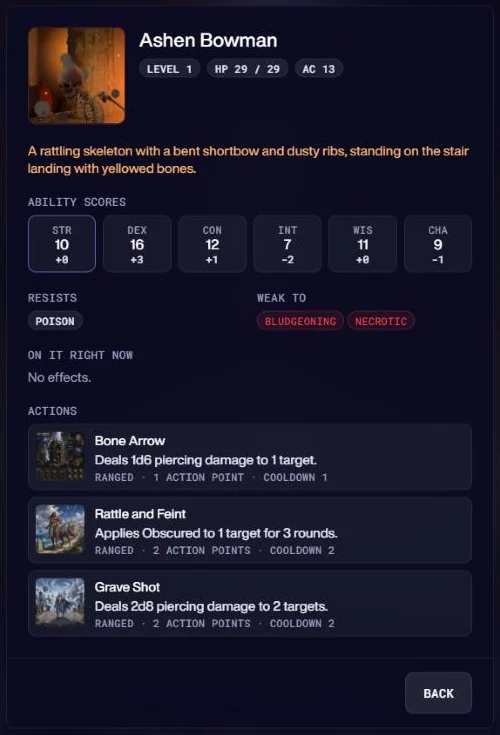
Cannot wait? Call a fight yourself
The best fights are the ones your story walks you into. But you can also just write one. Type any of these into a single-player game and choose Engage in Battle:
- “Three skeleton warriors rise from their graves in the crypt. I charge them.”
- “A young red dragon lands in the town square with a witch on its back. I draw my sword.”
- “A pack of grey wolves circles me in the snow on the mountain pass.”
- “Two hooded cultists and their priest block the temple door. I attack.”
- “A swarm of rats pours out of the sewer grate, and something bigger follows.”
Then go back to your adventure and let it surprise you.
A hero that keeps what the story gives
Some of you told us that what happened in the story did not always show on your character: a sword you bought was missing, gold never moved, armour changed nothing. You were right. Your character sheet is now the record of everything your hero has been through, and everything on it is what you take into a fight.
What the story gives you, you keep
Every item, spell, ability and companion lands on your sheet
When the story hands your hero something, a card in the chat says so. From now on that card and your sheet always agree. If the Game Master gives you a cutlass, teaches you a spell or lets a raven join you, it is on your sheet a few seconds later, every time.
- A second one stacks. Buy another healing potion and the one you carry shows ×2 instead of nothing happening
- Selling a stack from your sheet sells one at a time
- Something you gave away or sold and get back in the story is carried again, with the pictures you made for it
- Nothing gets undone. Selling an item or spending ability points right after a turn now always sticks
A new character sheet, in three tabs
Character, Chronicles and Companions
Your character sheet used to spread your hero over six tabs. Now there are three. Character is everything your hero holds, wears, carries and can do. Chronicles is who they are and what has happened to them. Companions is who travels with them.
The Character tab opens on your hero, as a picture or in 3D, with their equipment around them: main hand, off hand and armour, and their gear slots. A gear slot takes anything you own: a ring, a holy symbol, a potion, a rope, a set of dice. Below it you see what it all adds up to: your Armour Class and where it comes from, your attack, hit points and ability scores, then your spells and abilities and the rest of your pack.
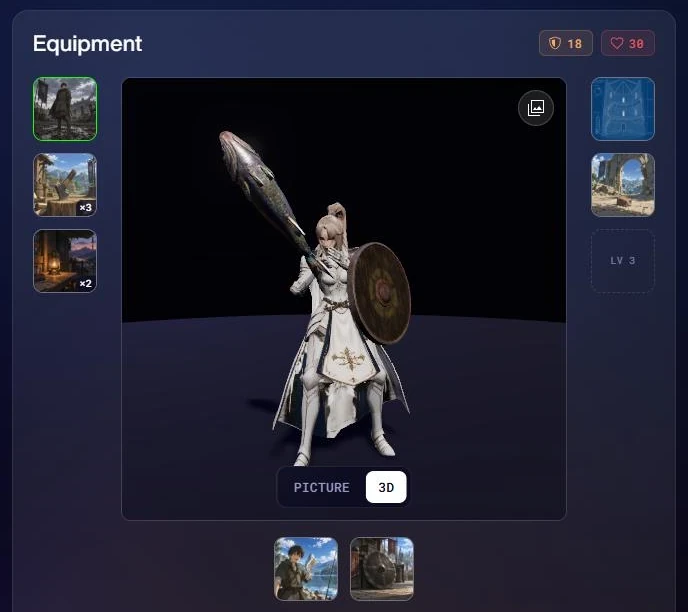
- What is equipped counts. You can use it in a fight and it helps when the dice roll. What stays in your pack does neither
- Four gear slots to start, and another at levels 3, 5 and 8
- Drag and drop. Drag an item from your bag onto a place around your hero. The places it fits light up, a full row of gear slots swaps, and dragging it back to the bag takes it off
- Or just hover. Rest the pointer on an item and it offers Equip, or Unequip if you are wearing it. One click, no menu
- Click an item, a spell or an ability and one window shows everything about it: what it does, what equipping would change, its pictures, and selling it
- Click an empty place and your bag shows only what fits there
- Equipping costs no gems and does not use a turn
- New things go in by themselves while there is room
The sword from your story, in your hero's hand
Your hero holds what they own, and you can make it truly yours
On the Character tab you can switch your hero between their picture and their 3D model, and the 3D hero holds what is in their hands: a dagger, a halberd, a musket, a shield on the arm. If an item has a picture, you can go further: open the item, choose 3D look and have that very item made in 3D. Your hero then carries it on the sheet and into every fight.
It does not have to be a sword. In one of our test stories a magical being handed Tessa Varn a rainbow-coloured magical fish. She packed it, we made a picture of it and forged it, and now she walks into battle with a fish the length of her arm. Whatever your story gives you, your hero can hold.
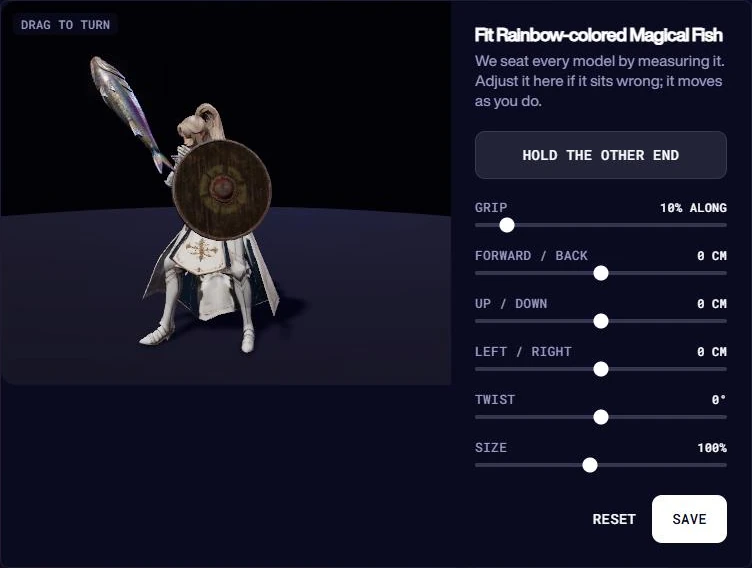
- Forging costs 20 Legendary gems and takes a few minutes. You can leave the page, and if a forge fails the gems come back
- Fit it to your hero. In the fitting view you turn your hero round and set where the hand closes, how the item is twisted and how big it is, and you move it forward and back, up and down, and left and right. It moves in the hand as you drag. You find it in the item's own window, as Fit in the hand
- A shield sits on the forearm, or on the back when the weapon needs both hands
- Forge as many looks as you like. Each one is kept with the item, beside the standard model, in the item's window. Tap a look to wear it; switching is free and every look remembers its own fitting
- It changes the look, not the rules. What the weapon does stays the same
- Every forged item goes into the gallery under its own filter, 3D items, with tags for what it is: sword or shield, one- or two-handed, melee or ranged. Open one to turn the model round
Armour and shields that protect you
Armour class and hands by the rules of the fifth edition
- Armour sets your AC. Leather is 11 plus your Dexterity bonus, a chain shirt 13 plus Dexterity up to 2, half plate 15 plus Dexterity up to 2, chain mail a flat 16 and plate a flat 18. Robes and other cloth give no armour. Your AC never drops below what you have without armour
- A shield adds 2 and takes your off hand
- Two-handed weapons such as greatswords and bows leave no room for a shield or a second weapon
- A light weapon such as a dagger or a handaxe can go in your off hand next to your main weapon
- Armour and shields protect you through your AC and are no longer attacks in a fight
- The Game Master knows what you hold and wear
Gear that helps on skill checks
What you carry now matters outside a fight too
Until now an item only did something in a fight. Now your equipped gear also counts when the dice decide a skill check. A rope, a crowbar or a climber's kit adds 2 to Athletics. Thieves' tools add 2 to Sleight of Hand, a lantern or torch adds 1 to Perception, a healer's kit 2 to Medicine, an instrument 2 to Performance, a map or compass 2 to Survival, a holy symbol 1 to Religion. Magic items keep their rules: a Cloak of Elvenkind gives advantage on Stealth. And as in the fifth edition, noisy armour such as chain mail and plate gives disadvantage on Stealth, so there is a reason to take it off before you sneak.
- You see it before you roll. The check lists each item that helps or hinders, and the pane sums it up under Gear on skill checks
- Open any item to read what it does: as equipment, in a fight and on a skill check
- New items from a story can help with one skill of their own, and help from items adds up to at most 4 on one check
Your old heroes, ready to go
Nothing to set up, nothing left behind
Heroes you already have are equipped for you the first time they are loaded. Their best weapon goes in hand, their best armour goes on, a shield or a second light weapon takes the off hand, and the gear slots fill with what helps most. Every item you ever collected fits a gear slot, whatever it is. If the sheet did not recognise a weapon or a piece of armour with an unusual name, open it and change This is to what it really is.
Your AC may be different from before, because armour and shields now count.
Your spells and abilities are always with you
Nothing to prepare, nothing to forget
Every spell and ability your hero knows goes into a fight with them. You do not pick a handful before you set out: learn something in your story and it is there the next time swords are drawn.
Gold you earn and spend
Earn it, spend it, come up short
Gold is part of the story now. Buy something and the price leaves your purse. Sell something to a merchant and you are paid. Loot, rewards and wages add to it; a bribe, a room for the night or a round of drinks takes from it. Each time, a card shows what moved and what you have left.
- You cannot spend what you do not have. If the price is more than your purse holds, the purchase does not happen and a card tells you how much was missing
- The Game Master sees your purse, so merchants know what you can afford
- Gold is not gems. Gold is earned and spent inside your adventures only. Gems never buy gold or gear
Gold and gear from the story work in every campaign started since DNDAI 3.0. Equipping works for every hero.
Chronicles: who your hero has become
Their profile, their journey and a record of everything that happened
The new Chronicles tab tells your hero's story in three parts, and it tells it from inside the world, in days of the journey rather than dates on a calendar.
- Profile. A few lines on who your hero is now and how far their road has carried them, then their personality, background and your own notes
- Journey. The story of their adventures so far, written as a story
- Chronicle. The record behind it: everything they collected, learned, earned, spent and lost, who joined them and what they put on, day by day. Filter it to see only one kind
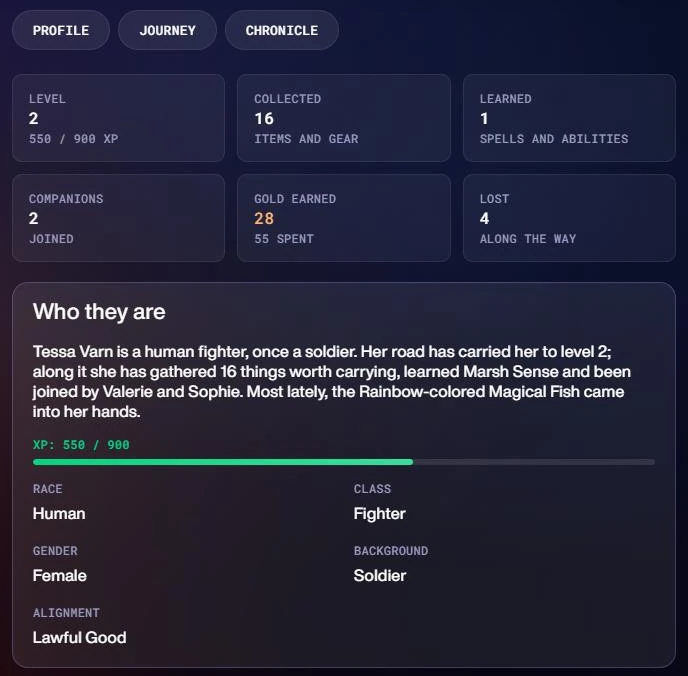
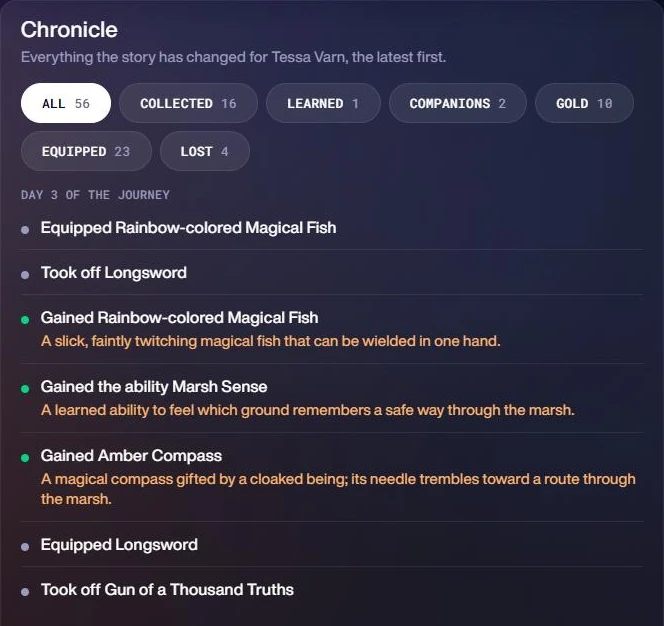
The chronicle starts with this patch, so older adventures are in the journey but not in the record.
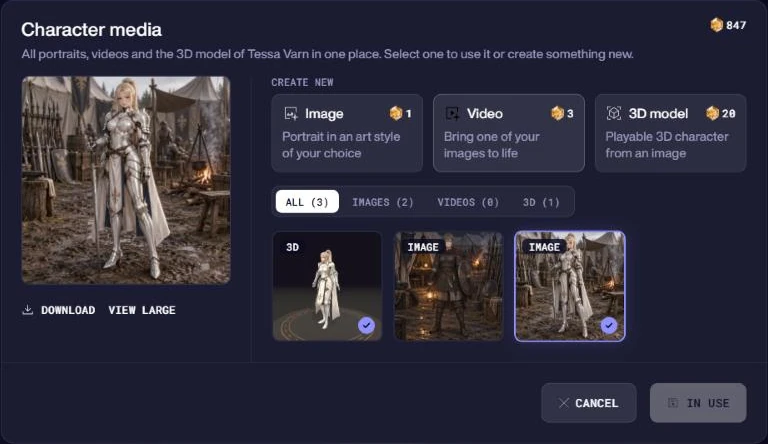
Every picture of your hero in one place
Portraits, videos and the 3D model, made and chosen the same way
Making a portrait, a video or a 3D model of your hero used to live in three different corners of the sheet. Now a click on your hero's portrait opens Character media: everything you have made is there, you pick the one to use, and you start anything new from the same place. Items, spells and abilities work the same way: click one, and its pictures and videos are made and chosen right there.
Try the new sheet in five minutes
- Open your character sheet. The Character tab shows what your hero holds, wears and keeps at hand
- Hover over your armour, choose Unequip and watch the AC drop. Drag it back onto your hero
- Drag something from your bag onto a gear slot, and something else back into the bag
- Equip a rope and try to climb something in a story: the check shows Coil of Rope +2
- Start or continue a campaign and buy something from a merchant. Watch for the gold card
- Try to buy something you cannot afford
- Buy a second potion and look for ×2 in your gear
- Open the Chronicles tab and read what your hero has been through
Also in this patch
- Your level, experience and ability scores can no longer be changed by a sheet update, only by play
- On a phone, tap an item to open it: equipping, its pictures and selling are all in the one window
- Gear you lose or sell comes off automatically and your AC follows
- Item tiles on the sheet show how many of each you carry
- Your hero's history no longer repeats itself each time you pick something up
- A hero that fails to be created gives the gem back
New to DNDAI?
DNDAI is a fantasy role-playing game with an AI Game Master, in the spirit of Dungeons & Dragons. Create a hero, pick an adventure or write your own, and say what you do. The Game Master remembers your story, rolls the dice and plays the world. You can play alone or with friends, in your browser, on a computer or a phone, and it is free to start.
Thank you to everyone who wrote in about their sheets, and to everyone who told us what did not feel like part of the story yet. Show us what you fought on Discord.